
Give Pests ‘The Flick’ with our Termite, Residential & Commercial Pest Control Services
Every year, millions of Australians struggle to keep their homes and businesses free from pests. A trusted provider of expert pest control for over 105 years, Flick Anticimex is proud to offer a comprehensive range of integrated treatment solutions for residential and commercial premises alike. From infestations of termites, ants, bed bugs, and cockroaches, to invasions of rats, mice, and birds, our pest exterminators uphold both Australian and international standards to provide long-lasting and cost-effective pest control of all shapes and sizes.
Flick’s Unique Pest Control Services
Explore Our Services For Your Home or Business

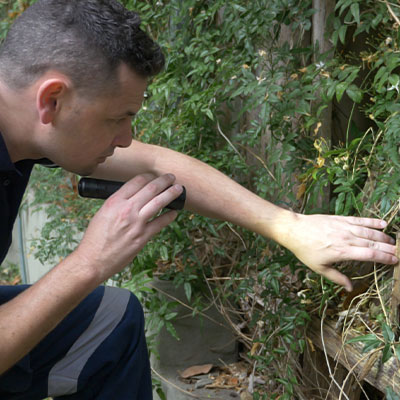
Home Protection
Put your family’s health first and protect your home with Flick’s proactive year round Home Protection. We offer a variety of flexible and affordable Home Protection Plans to suit your needs. Our Home Protection plans will eliminate crawling insects from basic to extensive household pests, protecting all areas of your home both inside and outside, backed with our 12 month warranty.
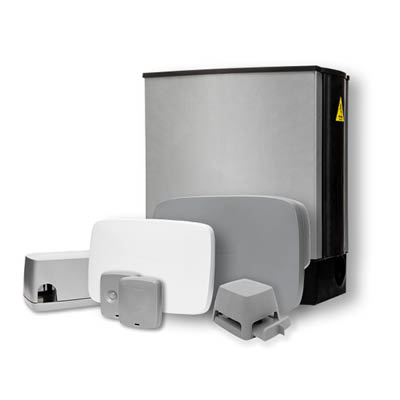
24/7 Smart Digital Rodent Control
Our SMART Digital monitoring is an intelligent, environmentally-friendly pest control system that keeps an eye on things you don’t want to see. It predicts and prevents costly mouse infestations in your home because it’s the eyes and ears of your pest control professional when they can’t be there. SMART technology keeps your home, family, and pets safe from rodents year-round.
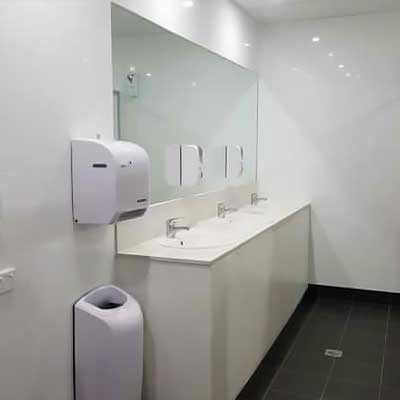
Washroom & Hygiene Services
Flick provides an extensive range of essential washroom and hygiene solutions for your workplace. Our range encourages good health and hygiene practices to help reduce the risk and spread of viruses and bacteria. Cross-contamination can occur frequently in washrooms, locker rooms, and kitchens due to microorganisms spreading quickly in moist areas along with those transmitted through airborne pathogens.
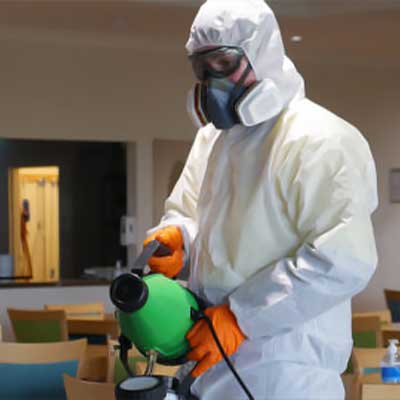
Powerful Disinfection Service
Currently used in offices and workplaces in Australia and across the world, Flick’s high-grade disinfection service kills and prevents the spread of viruses. Our broad-spectrum mister disperses fine micron particles targeting all surfaces such as floors, walls, structures, ventilation and non-accessible areas. Our Disinfectant treatment is a safe product for the community with ingredients that degrade naturally making it eco-friendly.
Australia’s Pest Control Leaders
Staying At The Forefront Of Pest Control For Over 105 Years!

Residential Pest Control
Protecting your home from unwanted pests is essential and easy with Flick’s year round Home Protection Plans. Household pests like cockroaches, ants, rats, mice, spiders, fleas, flying insects, bed bugs, bird control and termites can cause costly damage to your property and more importantly pose health risks to your family and pets. Subscribe to one of our affordable home protection plans and keep your home pest free.
Learn more about our residential pest services.

Commercial Pest Control
From creepy crawlies, stored product and flying insects to rodents and bed bugs, we analyse each site, the environment and risks before developing a tailored pest control plan. Our integrated pest control services use the latest technology and tailored solutions.
Learn more about our commercial pest services.
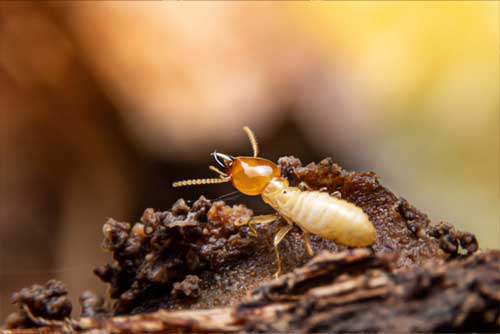
Termite Solutions
Despite their size, termites are by far the most damaging pest that Aussie homes face. Termite surveys find that 1 in 3 properties in Australia will be affected by termites at some stage, which causes greater damage than fires, storms, and floods combined, causing up to $1 billion in damage to homes each year.
Learn more about our termite services.
Pest Control Solutions For Your Industry
Providing Effective And Sustainable Pest Control For Australian Businesses
Find out more about commercial pest control services for your industry.
Customer Reviews on Google













Learn More About Specific Pest Solutions
Bed Bug Pest Control
One of the most frightening things you can find in your home, bed bugs are a nuisance that will leave you curled up on the living room sofa for weeks. Often picked up during travel or on public transport, these nasty critters will invade any house or hotel they can find, regardless of cleanliness. A nearly impossible DIY pest, only a trained pest control expert will be able to completely and finally rid your property of these teeny tiny bugs once and for all. Using both chemical and heat treatments, the team at Flick Anticimex is proud to provide thorough treatment solutions and comprehensive educational resources that ensure both the proper removal of your infestation and the prevention of future invasions.
Learn More about Bed BugsAnt Control Solutions
An all too common nuisance across Australia, ants are voracious eaters that will stop at nothing to hunt down food. Attracted by everything from picnics to pantries, only an expert pest control technician will know what it takes to rid your home or business of these six-legged critters once and for all. With a range of treatment solutions that both target ants in their nests and block their points of entry, our comprehensive range of services is appropriate for all sizes and species, from the common carpenter ant to the highly invasive fire ant.
Learn More about Ant ControlBird Control Solutions
While listening to the sound of birds singing outside your window may be a peaceful way to relax, having them settle around your home can lead to both ongoing mental frustration and irreparable structural damage. At Flick Anticimex, we are committed to long-lasting and cost-effective treatment solutions, with each plan designed specifically to the unique architecture and functionality of your property. From netting and spikes to complete shock systems, our state-of-the-art tools and technology ensure that your home or businesses remains free from invasive and irritating birds once and for all. Carriers of mites, parasites, and bacteria that can pose a health risk to your family and customers alike, even the most common of species has no place making a home of your hearth.
Learn More about Bird ControlFlea & Tick Control Solutions
Pet lovers beware, a Fido-friendly home is often a harbinger of invasive pests. Prone to hitching a ride on dogs and cats alike, ticks and fleas will enter your home and soon overrun it, bringing with them not just discomfort but potentially serious health consequences. At Flick Anticimex, we are committed to both the integrity of your home and the safety of your family, and have developed unique treatment solutions to ensure complete tick and flea removal from your property. Experts in our field for over 100 years, we target these blood-thirsty bugs at all stages of life, ridding your pets and property of them once and for all.
Learn More – Fleas Learn More – TicksFlying Insect Control Solutions
If you’ve lived through even one Australian summer, you understand what a nuisance flying insects can be. At Flick Anticimex, we provide extensive pest control solutions that ensure the removal of everything from bees and wasps to mosquitoes and flies. Designed for residential and commercial properties alike, our prompt and professional pest control solutions eradicate pesky pests by removing nests and treating areas where they thrive. Via a combination of non-toxic products and both surface and barrier treatments, we ensure long-lasting and cost-effective control year-round.
Learn More